Based on GregoryRasputin's #PS3History — The Complete History of PS3.
From the birth of the Cell processor to the fall of PSN —
every hack, every firmware, every court case. The naked,
unadulterated life of the PlayStation 3.
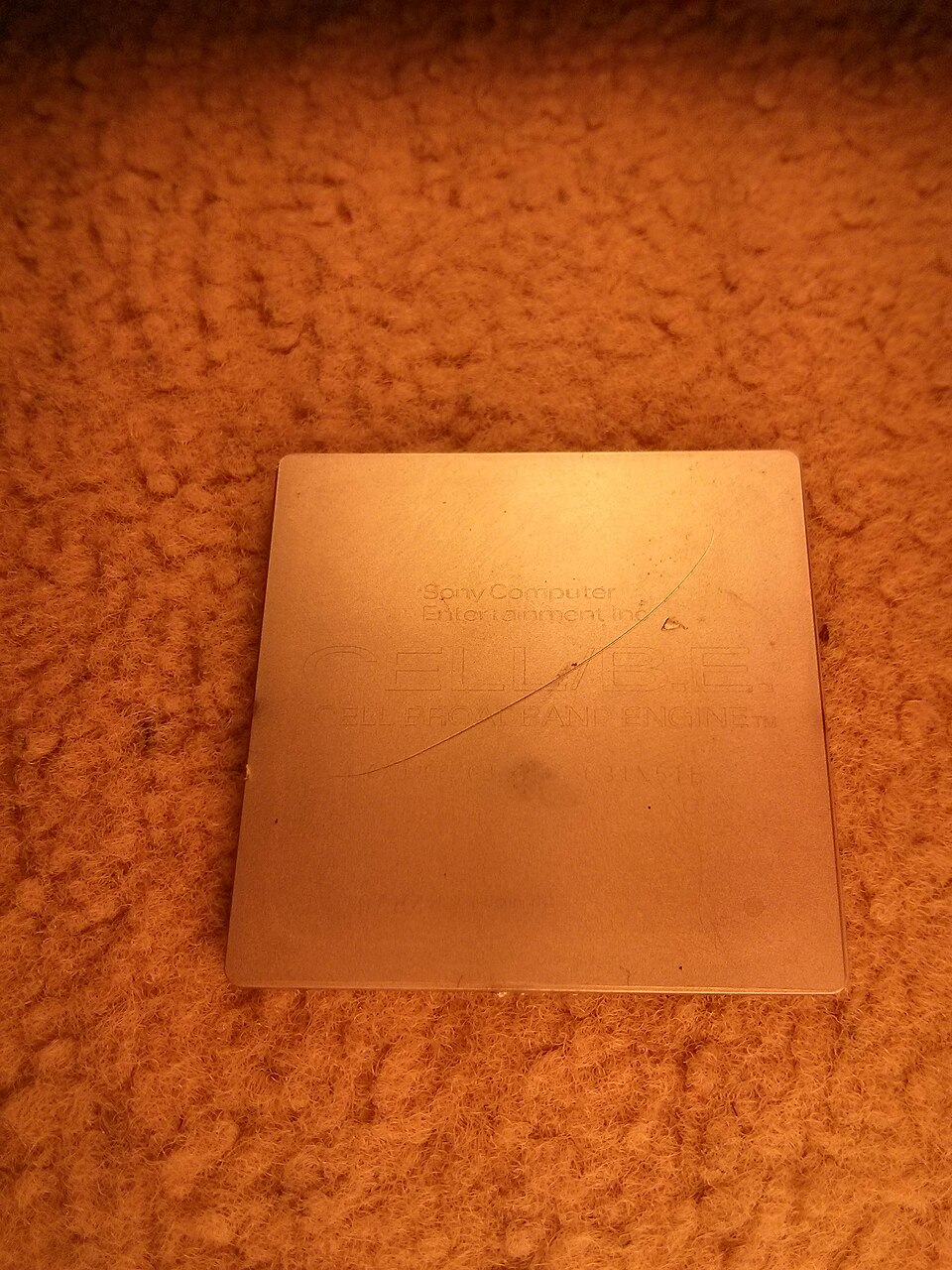
Sony Computer Entertainment, Toshiba, and IBM (STI) form an alliance to create the Cell Broadband Engine processor. The STI design centre opens and begins a four-year endeavour that would power the most ambitious console ever built.
Cell Broadband Engine
The world was awoken to a brand new console — not just a console, but a supercomputer. The original design was silver with a boomerang-shaped controller, three Ethernet ports, two HDMI ports, and six USB ports. It was meant to last ten years.
Nvidia reveals that the RSX GPU is still under development. The E3 tech demos were actually running on upcoming PC chips with similar capabilities.
Rumours suggest that the PS3 may not ship with a hard disk drive — potentially crippling the "computer, not a console" vision. The idea of an HDD-less PS3 would linger for months before being put to rest.
Gotou Shigehiro of Japan's PC Watch interviews Sony Computer Entertainment CEO Ken Kutaragi about the PS3's hardware and development strategy — one of the earliest deep-dives into what the Cell processor would mean for gaming.
During "PlayStation Meeting 2005," Ken Kutaragi discusses the PS3 and shows off the development units. The event gives the press and developers their first extended look at the hardware that will power the next generation.
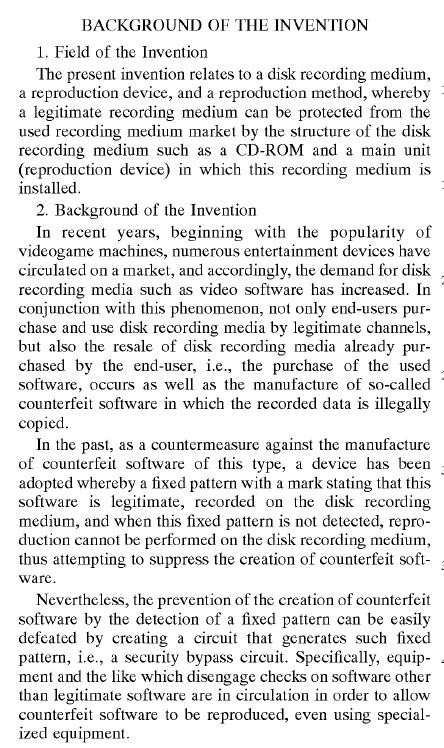
A Sony patent surfaces suggesting the PS3 would lock games to a single console, preventing used game sales. Panic spreads through the gaming community.

Sony releases a statement assuring the public that the recently published patent will not tie games to a single console.
Sony shows the PS3 at the Consumer Electronics Show, but the machine is not playable. The console sits behind glass — a tantalising but frustrating tease for a public eager to get their hands on it.
The PS3 is shown at the TaiPei Games Show behind a glass screen, with rumours already suggesting the console will not make its Spring 2006 release window.
Sony stocks plummet as rumours of PS3 delays circulate. By March, Sony confirms the console is pushed to November 2006, citing problems with Blu-ray diode production.
Phil Harrison speaks at the Game Developers Conference in San Jose, confirming a worldwide PS3 release in November 2006. Demos of Heavenly Sword, Warhawk, MotorStorm, and Resistance: Fall of Man wow the audience. Developers will receive final production units by June.
Phil Harrison

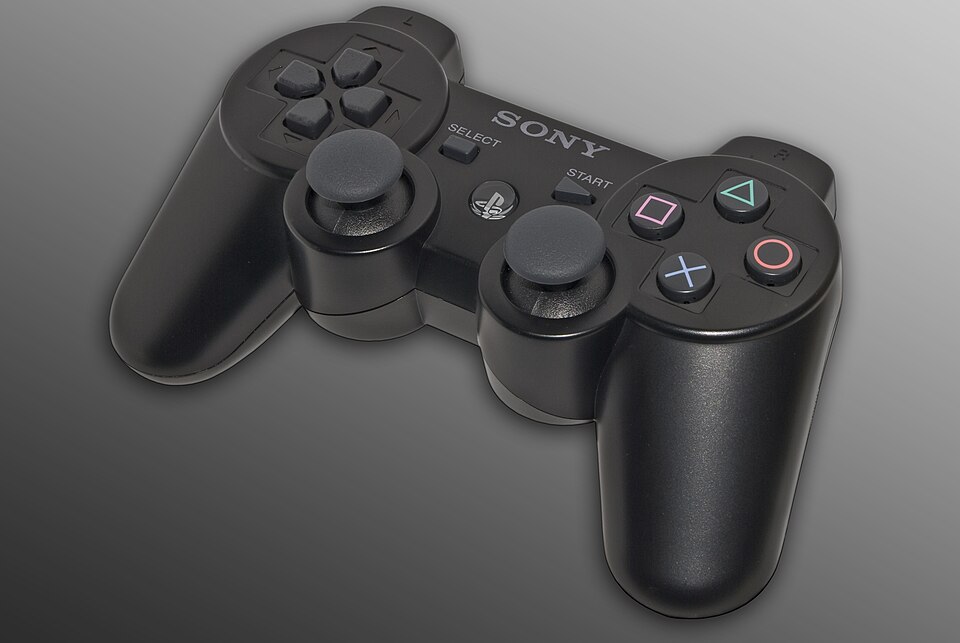
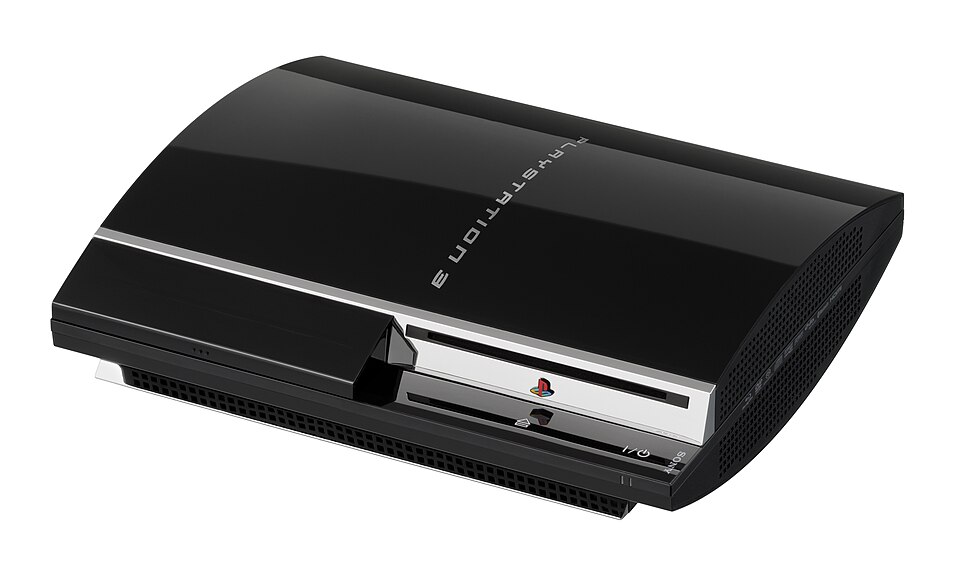
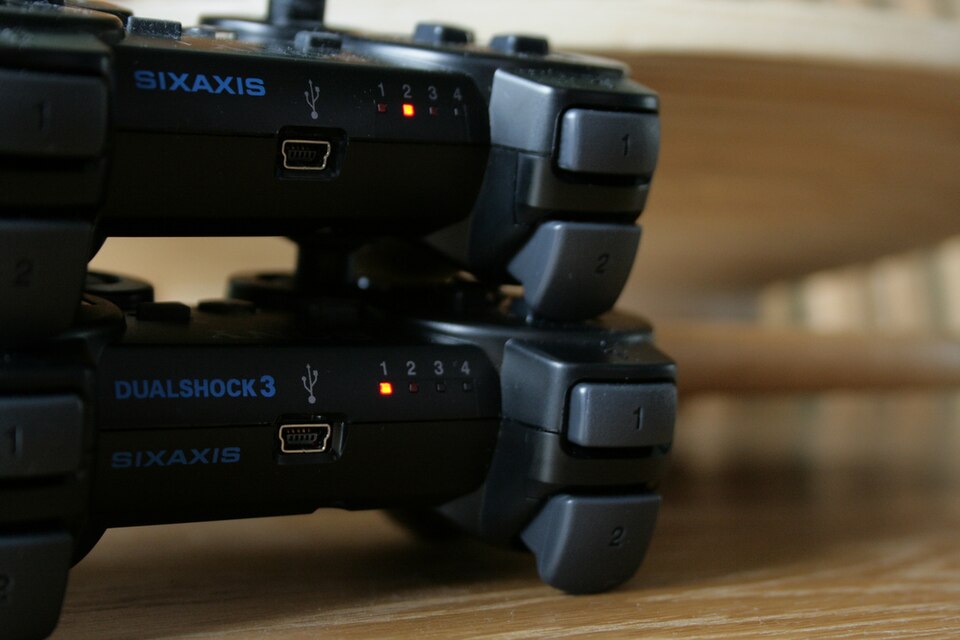
Gone is the silver prototype. The PS3 is now black with one HDMI port, four USB ports, and comes in 20GB ($499) and 60GB ($599) models. The boomerang controller is replaced by the Sixaxis — a motion-sensing pad without rumble due to patent disputes with Immersion.
In an interview with German magazine SPIEGEL ONLINE, Sony's Phil Harrison strongly denies that the PS3's Sixaxis motion controls were copied from Nintendo's Wii, pointing to Sony's history with 3D graphics innovation. He doubles down on the "computer" messaging.
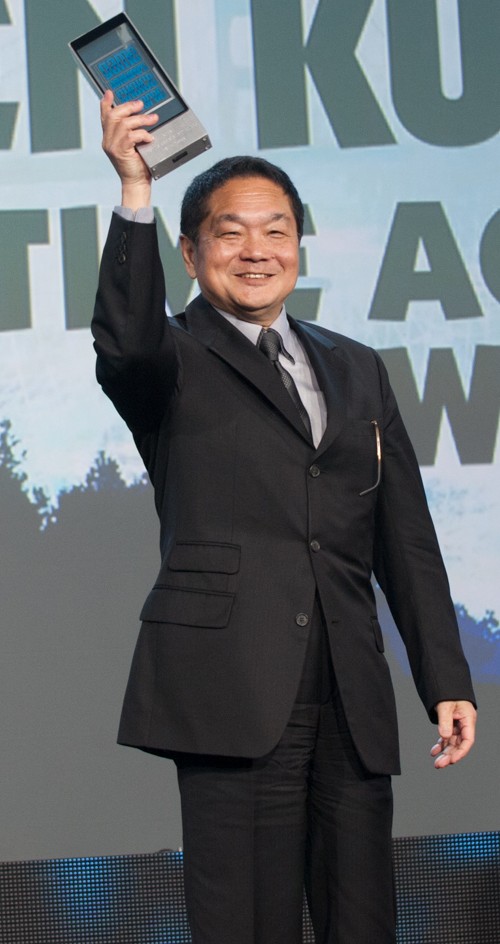
In a landmark interview with Hiroshige Goto, Ken Kutaragi declares that the PS3 is fundamentally a computer, not a games console. He envisions yearly hardware configurations, BTO (built-to-order) options, and a platform that evolves like a PC.
Ken Kutaragi
Sony announces the PS3 will NOT launch in Europe in November. European gamers must wait until March 2007 — and they'll get an inferior version with reduced PS2 backwards compatibility.

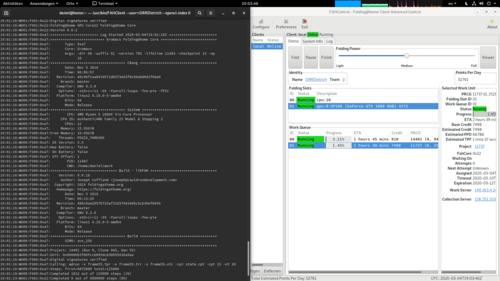
Stanford University announces a PS3 version of Folding@Home, harnessing the Cell processor's power for protein folding research. The PS3 would eventually contribute more computing power than the entire project's PC user base combined.
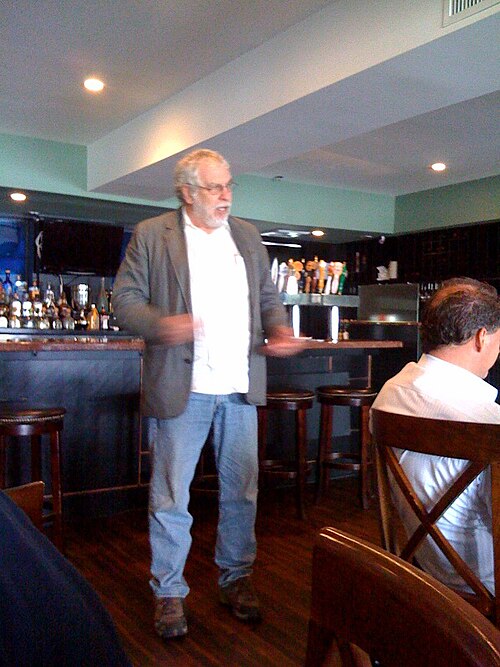
The creator of Pong and founder of Atari publicly predicts the PS3's failure, citing its unsustainable price point, Sony's reputation for poor developer tools, and Xbox 360's advantages.
Nolan Bushnell, Atari co-founder

PS3 hits Japan with launch titles including Ridge Racer 7, Resistance: Fall of Man, and Genji: Days of the Blade. Massive fights break out at events. Ken Kutaragi himself attends the Yurakucho launch. Firmware v1.10 — the very first PS3 firmware — goes live.

The American launch is plagued by violence: armed robberies at Wal-Mart, GameStop, and EB Games. A man is shot in Connecticut waiting in line. A 17-year-old has his PS3 stolen at gunpoint. People stampede into a metal flagpole at a West Bend Wal-Mart.
Warez group Paradox releases the world's first accessible PS3 rip — Madden 2007. Their NFO reads: "Well everyone here it is – the world's first accessible PS3 rip!" They joke about uploading on 56k modems from Blockbuster rentals.
Sony releases firmware v1.11, adding Account Management functionality — the very first post-launch firmware update for the PS3.
eBay UK bans British sellers from listing PS3 consoles until March 2007, when the European launch is scheduled. The move targets importers who plan to resell Japanese and US units at extortionate prices — some listings hit $999+. The ban sparks a fierce debate about import rights and price gouging.
Sony's e-Distribution Initiative — the PlayStation Store — goes live, allowing PS3 owners to purchase and download games, demos, and media content directly to their consoles. It's the foundation of Sony's entire digital future.
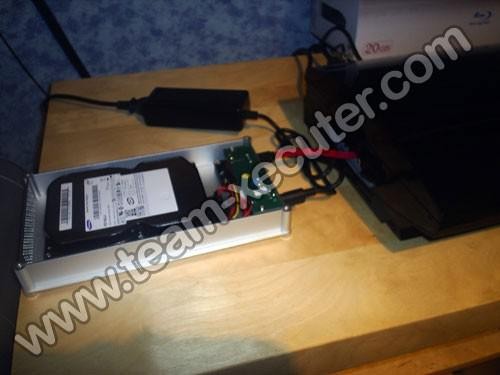
Team Xecuter unveils "Hyperdrive" — a hardware mod letting PS3 owners connect 3.5" SATA or IDE hard drives, supporting up to 750GB of external storage. They hint that "booting games from HDD is possible and not far off."
Firmware v1.30 improves compatibility for PS2-related USB devices.
Firmware v1.31 adds better compatibility for PS1 and PS2 games, plus the ability to save some PS2 game data to the HDD.
Firmware v1.32 updates the online gaming functionality.
PS3News confirms that Paradox has a working ISO loader exploiting a vulnerability in firmware v1.00-1.10. Games can be run from HDD without opening the console — but Paradox holds back, waiting for the European launch.
Hackers discover that the PS3's Blu-ray Java (BD-J) runtime can execute custom code from burned discs. While limited, it marks the first real avenue for running unsigned code on the console — launching basic apps through burned BD-R media.
At CES, Sony wins a Technology and Engineering Emmy Award for "device controller" — but then admits it was actually for the DualShock, not the Sixaxis. SCEA PR chief Dave Karraker concedes: "they never really did say for which one." Kaz Hirai uses the event to defend PS3's power.
Xbox's Peter Moore mocks Sony: "It's not in Sony's DNA" to build online services. Chris Satchell calls PSN "pretty much a disaster" adding "if they don't have anything, of course it's free."
A developer called naoneo releases video proof of a working ISO loader dubbed Ferrox Loader for the PS3, directly competing with Paradox's long-promised but still-unreleased loader. However, the developers ultimately inform Sony, and the exploit is patched — the first confirmed-then-killed PS3 exploit.
CJCP releases PS3 SAK (Swiss Army Knife), which lets PS3 owners back up PS3 games and Blu-ray movies without needing to install Linux. One of the earliest practical scene tools.
Sony settles its long-running patent dispute with Immersion Corporation — the company that owns the rumble technology patents used in the DualShock controllers. This settlement paves the way for rumble to return to the PS3 controller.
A website dedicated to hacking the PS3 called PS3HaX is created. Its main aim: bring homebrew to the PS3. It would become one of the scene's most important hubs.
Sony reveals PS Home — an online social world similar to Second Life, coming to PS3. It would take until December 2008 for the public beta.
PS3 launches in Europe. At the Virgin Megastore in London, Sony gives the first 100 customers a free 46" HDTV and taxi ride home. Meanwhile, Microsoft employees hand out branded chairs to people in the queue.

BBC News reports that the Church of England is considering legal action against Sony after Resistance: Fall of Man uses Manchester Cathedral as a setting for a gun battle without permission. Sony eventually apologises, but the controversy sparks a wider debate about video game violence in real-world locations.
NoxOm releases an OtherOS-based TILT exploit for the PS3 that puts the console into a reboot loop with a continuous orange light. While not useful for homebrew, it's among the first public demonstrations of exploiting the PS3's OtherOS environment.
The early PS3 scene is plagued by fakes. Multiple people claim ISO loaders, mod chips, and exploits that never materialize. The community grows skeptical of every claim.
Developer hermes releases PSXLoader — an experimental homebrew loader for the PS3 that can run his own Guitarfun and the PS2Reality Mediaplayer via OtherOS. One of the first genuine homebrew execution environments on the console.

At the Tokyo Game Show, Sony reveals the DualShock 3 — the Sixaxis controller with rumble restored. Following the Immersion lawsuit settlement in March, vibration feedback finally returns to PlayStation. PS Home is also delayed from late 2007 to Spring 2008.
The PS3 Folding@Home network becomes the first distributed computing project to break the one-petaflop barrier, earning a Guinness World Record. Over 600,000 PS3 users are contributing their Cell processors to medical research.
A major firmware release for the PS3 — v2.00 brings a refreshed XMB interface and various under-the-hood improvements as the console enters its second year.
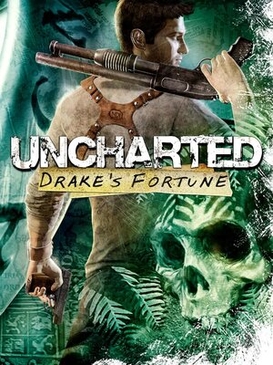
Naughty Dog launches Uncharted: Drake's Fortune — the game that proves the PS3 can deliver Hollywood-caliber visuals and storytelling. Nathan Drake becomes PlayStation's defining character of the generation.
Uncharted: Drake's Fortune
Official firmware v2.10 adds DivX and WMV video playback, plus an in-browser Flash player. The PS3 steadily adds the multimedia features gamers have been demanding, solidifying its role as an all-in-one entertainment hub.
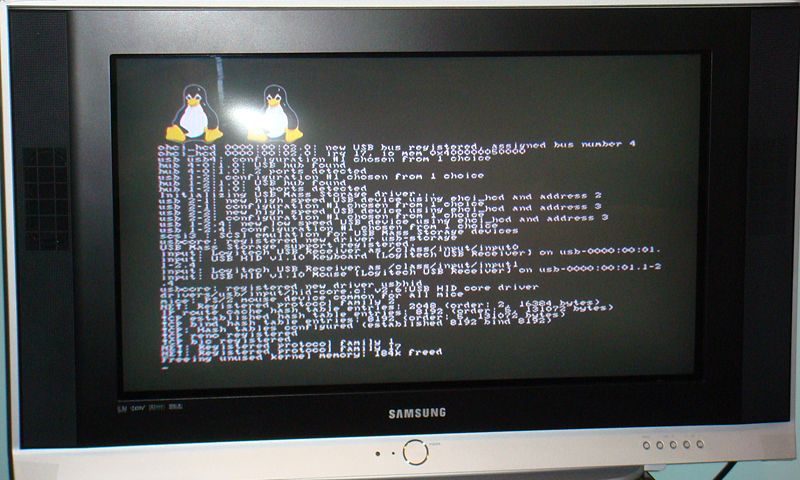
ps2dev.org releases a method giving limited access to the RSX graphics processor under Linux — previously locked by Sony's hypervisor. This enables better 2D graphics and rudimentary 3D rendering for OtherOS users, a significant step toward unlocking the PS3's full potential.
Copper Innovations Group LLC files a patent infringement lawsuit against Sony over the motion-sensing technology used in the PS3's Sixaxis controller. Another legal headache for the rumble-less controller.
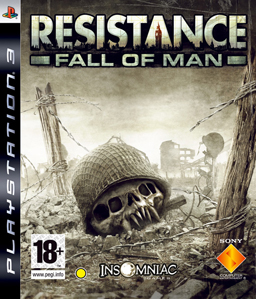
Team Ice (Alec, StreetskaterFU, iQD) find a way to inject PS3 binaries on a retail PS3 via an exploit discovered in Resistance: Fall of Man. This is one of the first credible demonstrations of running code through a game exploit on the console.
Resistance: Fall of Man
Team Ice releases their Ice Package including the ELF2SELF converter — a tool that converts standard Linux ELF binaries into the PS3's SELF format.
Sony reveals that unauthorized access to personal information on the PlayStation Store through PCs was detected. Although "unlikely" that many accounts were affected, some passwords may have been changed by attackers. This is the first documented PSN security incident — three years before the catastrophic 2011 breach.
Legendary hardware modder Ben Heck creates the first PS3 laptop — a fully portable PS3 crammed into a custom-built clamshell case with a built-in screen. A PS3HaX member named Pirate later builds his own version.
XVISTAMAN2005 discovers a method to install Debug (DEX) firmware on Retail (CEX) PS3 consoles by swapping hard drives. The method is extremely dangerous — if done incorrectly, it can permanently brick the console.
IBM reveals that their Roadrunner supercomputer — the world's fastest — is powered by nearly 13,000 Cell processors, the same chip inside every PS3. The Cell's raw computing power earns military and scientific recognition far beyond gaming.

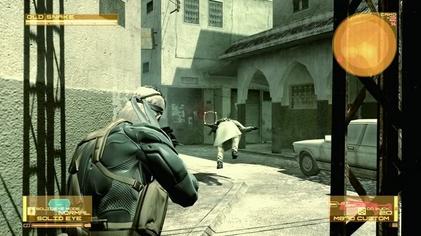
Hideo Kojima's cinematic masterpiece launches exclusively on PS3, requiring the full capacity of a 50GB dual-layer Blu-ray disc. It showcases the Cell processor's power like no game before it, selling over one million copies in its first week.
The most requested PS3 feature finally arrives. Firmware v2.40 introduces the in-game XMB overlay (press the PS button during gameplay) and PlayStation Trophies — Sony's answer to Xbox Achievements. A game-changer for the platform.
The first Blu-ray Java (BD-J) homebrew is released, utilising the BD-J runtime from BD discs to enable Java homebrew applications on the PS3's XMB. A minimalistic BD-J Dev Kit follows days later.
A new method to run PS2 emulators on the PS3 is released, using Swap Magic to bootstrap emulator code. Unlike previous methods requiring partial console disassembly, this approach only needs a Swap Magic disc — making PS2 homebrew accessible for the first time without hardware modification.
StreetskaterFU (SKFU) manages to partially dump the RAM from a retail PS3 — a significant reverse-engineering milestone that opens new avenues for understanding the console's internals.
English newspaper The Sun reports a bizarre theft: £600,000 worth of PS3 games are stolen from a sleeping lorry driver. Police recover the games and lock them in secure holding — where they are promptly stolen again.
SKFU releases information on "Project Mersenne" — an attempt to crack PSN cards and beta keys. The goal is not financial gain but "deeper understanding of PSN" and "an intellectual challenge."
Sony announces that LittleBigPlanet has been delayed in America so they can remove music tracks containing quotes from the Quran. A last-minute controversy that pushes back one of the PS3's most anticipated exclusives.
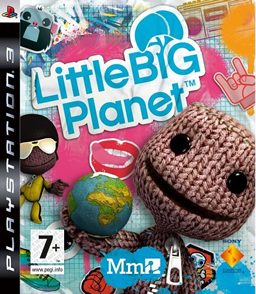
Media Molecule's creative masterpiece arrives, turning every PS3 owner into a game designer. Its "Play, Create, Share" philosophy and charming Sackboy character become synonymous with the PS3 experience.
LittleBigPlanet
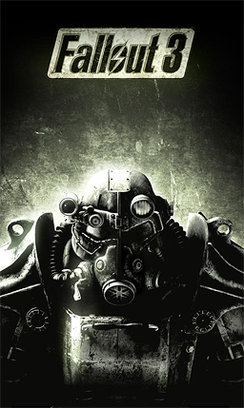
Bethesda's post-apocalyptic RPG arrives alongside MotorStorm: Pacific Rift. The PS3's games library finally reaches critical mass, with marquee multiplatform and exclusive titles landing every week.
Fallout 3
CJCP publishes detailed documentation of the PS3's hidden Service Mode — an undocumented diagnostic mode used by Sony's repair centers. This becomes essential research material for the scene's later hardware exploits.
Sony files a patent titled "Processor emulation using fragment level translation," with diagrams showing the PS2's Emotion Engine and Graphic Synthesizer. The patent hints at a software-based PS2 emulator for the PS3 — fuelling hopes that full backwards compatibility could return without dedicated hardware.

After nearly two years of development and closed betas, PlayStation Home finally launches as a public beta. The virtual social world lets PS3 users create avatars, explore spaces, play mini-games, and interact — but it never reaches the ambitious vision Sony first pitched at GDC 2007.
Scientists at the Universities of Alabama and Massachusetts use a 16-PS3 cluster running Linux to solve a mystery about vibrating black holes. The Cell processor's raw computational power makes the PS3 a genuine scientific research tool.

A user called hackerpointer leaks PS3 Service Mode JIG setup files, giving the scene its first look at how Sony's factory tools work. A video also surfaces showing PS2 games running on a non-backwards-compatible 40GB PS3.
At CES 2009, Sony demonstrates the PS3 running 3D content — an early glimpse at stereoscopic 3D gaming that would become a major push for the platform in the coming years.

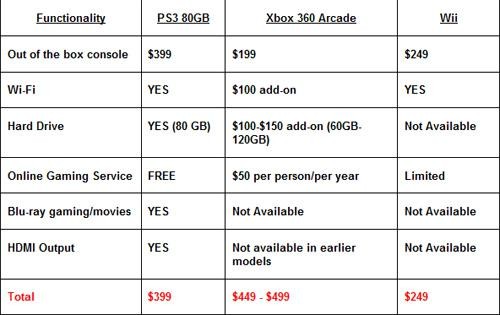
Sony releases a press statement directly comparing the PS3 against Xbox 360 and Wii, promoting built-in Blu-ray, Wi-Fi, and free online as advantages. The comparison chart becomes a talking point.
A Danish SWAT team raids an apartment in response to reports of gunshots — only to find two guys playing a PS3 game with the volume turned up too loud. The story goes viral as one of the console's funniest incidents.

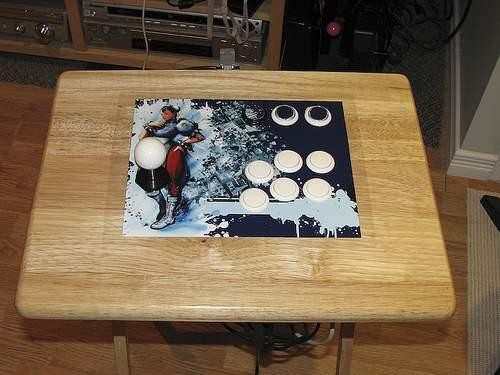
Chiuk releases images of a custom-built DIY arcade controller designed for Street Fighter IV on PS3 — showcasing the creative hardware modding community around the console.
In Official PlayStation Magazine, Kaz Hirai claims the PS3 was intentionally designed to be difficult: "We don't provide the 'easy to program for' console that [developers] want, because 'easy to program for' means that anybody will be able to take advantage of pretty much what the hardware can do, so then the question is, what do you do for the rest of the nine-and-a-half years?"
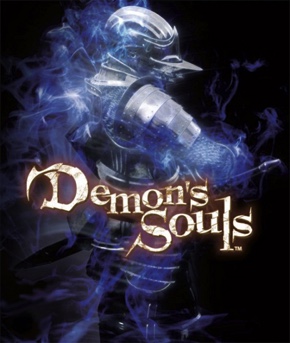
FromSoftware's Demon's Souls launches in Japan — a brutally difficult action RPG that would become a cult classic and spawn the entire "Souls" genre. Initially underestimated, it goes on to redefine what challenging games can be.
Demon's Souls
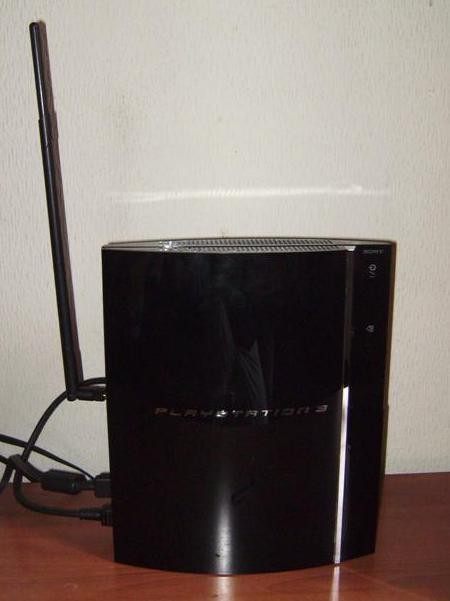
Mx24 from Eltrolado posts a detailed guide for an external WiFi antenna modification using an SMA connector, dramatically improving the PS3's wireless signal range and reliability.
PS3 with external WiFi antenna

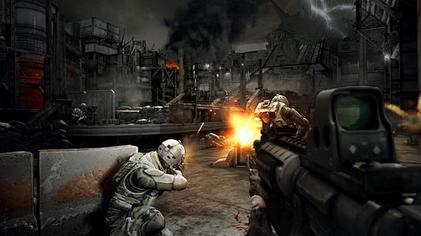
Guerrilla Games delivers on the infamous E3 2005 trailer promise. Killzone 2 is the most technically impressive console shooter of its era, showcasing the PS3's graphical power and proving the hardware can deliver on its potential.
Demonhades claims to have decrypted the PS3's retail hard drive, revealing details about the 512-byte key using SHA1-4096 encryption. The claim sparks excitement in the scene, though questions remain about reproducibility.

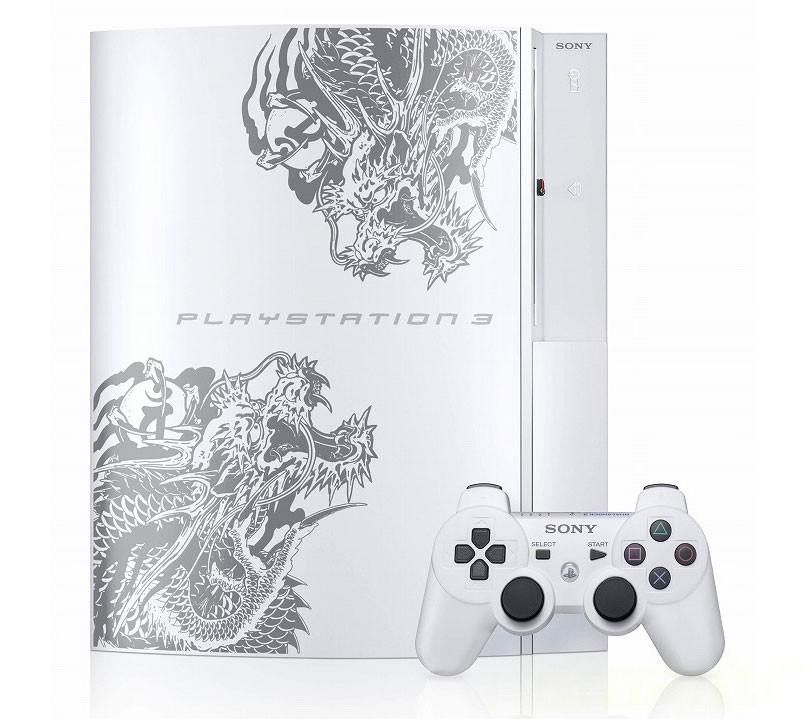
Sony releases a stunning white PS3 special edition bundled with Yakuza 3 in Japan — one of the first region-exclusive limited edition consoles that make collectors envious worldwide.

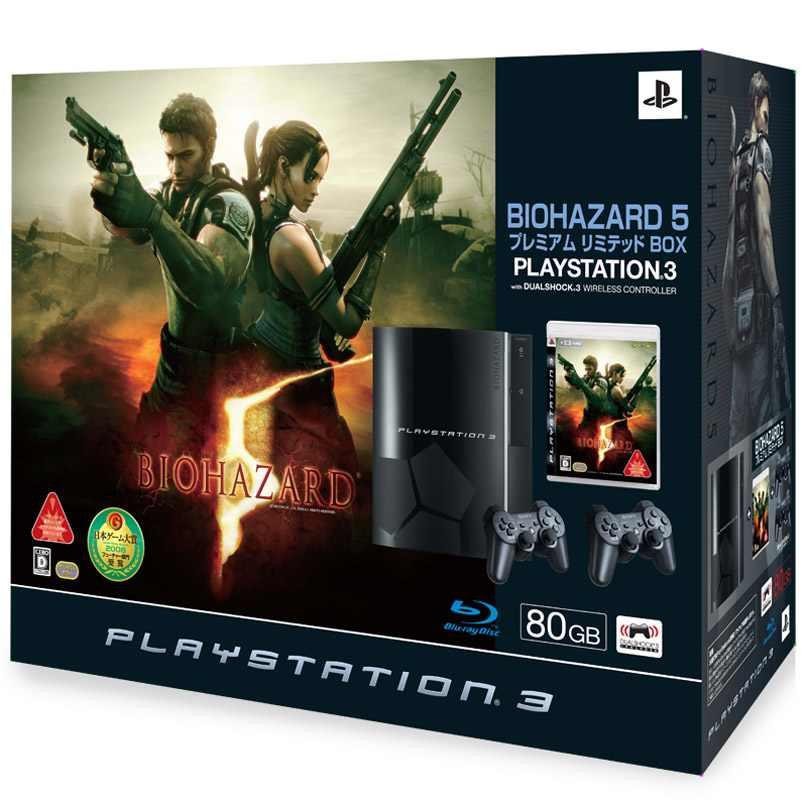
Sony releases a Special Edition Resident Evil 5 (Biohazard 5) PS3 bundle in Japan, continuing the tradition of eye-catching limited edition consoles.
Activision CEO Bobby Kotick publicly threatens to drop PlayStation support entirely unless Sony cuts prices: "I've had different conversations where I weights the different costs of a potential PS3 development. We might have to stop supporting Sony if they don't reduce the price."
Bobby Kotick, Activision CEO

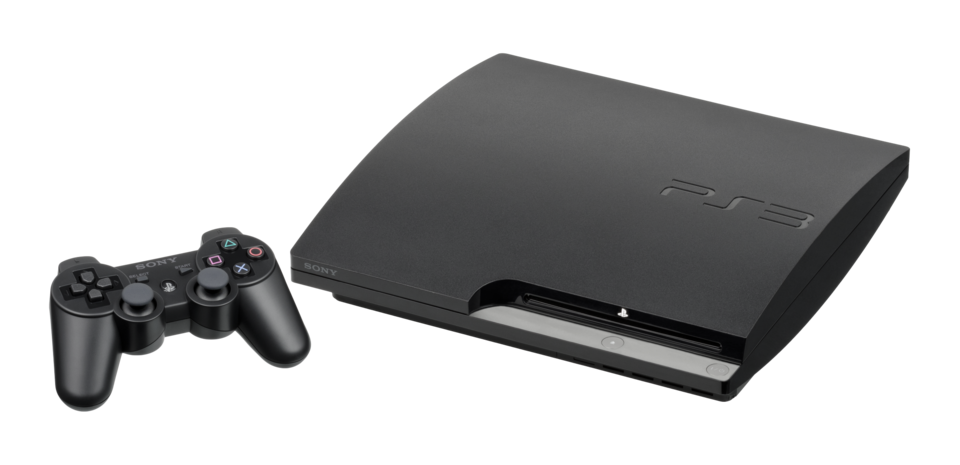
At Gamescom, Sony reveals the PS3 Slim — 33% smaller, 36% lighter, at $299. It would reignite PS3 sales and bring the console to profitability for the first time.
When users express concern about the PS3 Slim lacking OtherOS (Linux), kernel developer Geoff Levand assures the community that OtherOS will NOT be removed from existing fat PS3s in any future firmware update. The promise would prove devastatingly hollow just seven months later.
George "GeoHot" Hotz — already famous for being the first person to unlock Apple's iPhone — turns his attention to the PS3 and publicly promises to hack the console. The scene is skeptical but intrigued.
Major PS3 system software overhaul. The XMB gets a visual refresh with the "What's New" section and dynamic themes. PlayStation Store is redesigned.
Chirantan Patnaik sets the world record for longest GTA IV play session on PS3, playing for 40 hours and 20 minutes straight. The record would be broken months later by David Scherer at 55 hours.
The BBC's consumer show Watchdog broadcasts a segment slamming the PS3's failure rate and Sony's repair service, bringing negative publicity to the console's hardware reliability issues.
Internal Sega meeting notes leak revealing Sony's private roadmap: a PS2 software emulator, the motion controller (later PlayStation Move) planned for spring 2010, and an expanded PSN strategy. A rare glimpse behind the curtain.
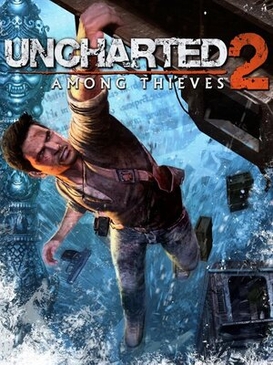
Naughty Dog's sequel redefines third-person action gaming with the iconic train sequence and unprecedented cinematic presentation. Winner of over 200 Game of the Year awards, it proves PS3 exclusives can lead the industry.
Uncharted 2: Among Thieves
The US Immigration and Customs Enforcement Cyber Crimes Center reveals it uses PS3 processing power for large-scale password cracking against encrypted evidence. The Cell processor is "perfect for large-scale library attacks" according to agents.
The Air Force Research Laboratory, which already operates a 336-PS3 cluster, seeks 2,200 additional consoles to build a massive supercomputer. At a fraction of the cost of traditional hardware, the PS3's Cell processor is a military bargain.

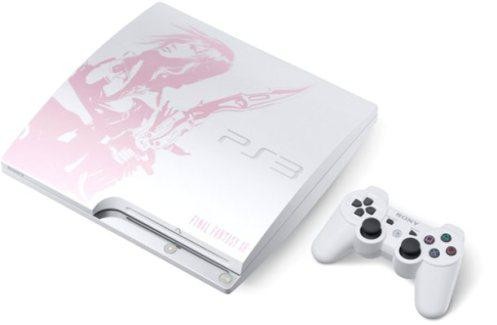
Final Fantasy XIII launches in Japan alongside a stunning white limited edition PS3 Slim — one of the most beautiful console variants ever produced. The long-awaited RPG is a landmark exclusive (later going multiplatform).
After months of silence, GeoHot resurfaces with detailed Cell SPI bus research and blog posts outlining a hardware-assisted hypervisor attack path. His closing line sends shockwaves through the community.
George "GeoHot" Hotz announces full read/write access to the PS3's system memory and hypervisor-level access to the processor. After years of the PS3 being considered unhackable, one man changes everything.
George "GeoHot" Hotz
Fat PS3 consoles worldwide suddenly can't connect to PSN or play most games. Error code 8001050F terrifies millions of owners. Sony identifies the cause: the internal clock chip treated 2010 as a leap year. A humbling bug in a "supercomputer."

Sony's nuclear response: firmware v3.21 removes the ability to install Linux (OtherOS) on the PS3. The move triggers multiple class-action lawsuits and turns thousands of legitimate users toward hacking.
In direct defiance of Sony, GeoHot demonstrates a custom "3.21OO" firmware that restores OtherOS on the latest system software. His message to Sony is blunt and prophetic.
PS3 owners file the first of multiple class-action lawsuits against Sony over the removal of OtherOS. The lawsuit alleges breach of contract, unfair business practices, and false advertising. More lawsuits follow within days.
After four years and billions in losses, Sony's Shuhei Yoshida tells IGN that PS3 hardware sales are finally profitable. The price cuts and Slim redesign have paid off — but it took a $4 billion hole to get here.
Sony releases firmware v3.40, a routine update that adds new features. The scene is watching closely — every update is now a potential threat to the research GeoHot started in January.
Fed up with impatient, ungrateful trolls, GeoHot closes his blog and Twitter. "I didn't fully realize most of the current scene don't care unless they are getting something. Now I do."
Sony releases firmware v3.41. Unknown to anyone at the time, this firmware version will become the foundation of the PS3 scene — the version that PS Jailbreak targets, and the firmware everyone will want to downgrade to.

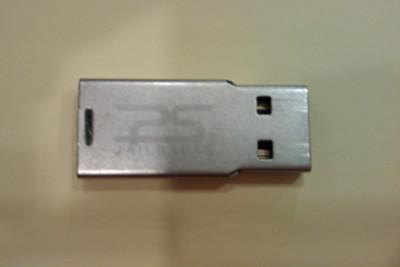
PSX-Scene announces PS Jailbreak — a USB plug-and-play device that jailbreaks the PS3. Compatible with all models (fat and slim), it lets users play backups from HDD. Price: $130+. The scene's biggest moment since GeoHot.
Mathieulh and team release PSGroove (open source PS Jailbreak clone) and KaKaRoTo releases PSFreedom for Nokia N900. The $130 dongle is now free. Sony patches the exploit in firmware v3.42 five days later.
After filing a complaint against OzModChips, Mod Supplier, and Quantronics, Sony wins an indefinite ban on the sale and import of PS Jailbreak devices in Australia. OzModChips had warned the ruling would "set a dangerous precedent" affecting homebrew enthusiasts worldwide.
Sony rushes out firmware v3.42, patching the USB exploit used by PS Jailbreak, PSGroove, and PSFreedom. The jailbreak era lasts barely two weeks on the latest firmware — but users who stayed on v3.41 still have full access.
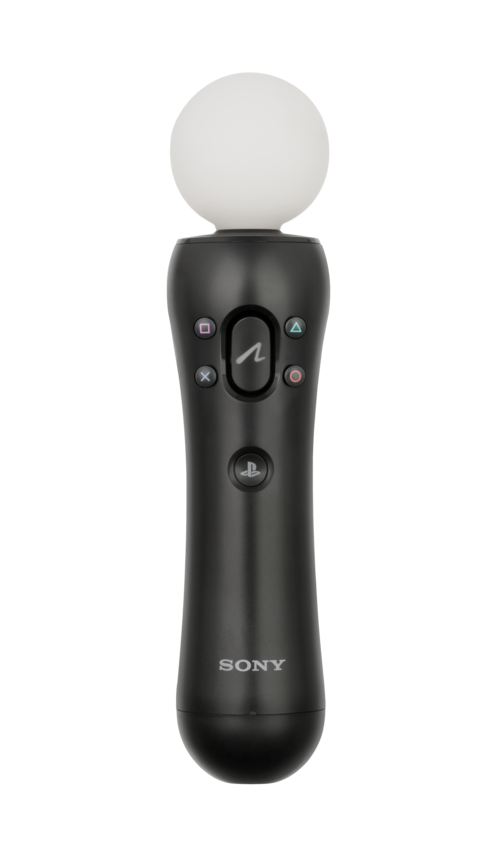
Sony's motion controller arrives — a glowing orb tracked by the PlayStation Eye camera. While technically impressive, it never captures the Wii's casual audience. The scene later uses Move for creative homebrew projects.
PlayStation Move controller
CJCP releases an FTP server — the very first homebrew application for jailbroken PS3s. The floodgates are open.
Sony releases firmware v3.50. The company is now in a rapid-fire update cycle, racing to stay ahead of the scene. Each firmware pushes the "safe" version number further from the jailbreak-compatible v3.41.
Developer Hermes releases a payload for PSGroove that allows users to play backups without a disc present in the drive. Previously, jailbroken PS3s still needed a disc inserted — Hermes removes that limitation entirely.
AerialX releases PSL1GHT, a free, open-source SDK for PS3 homebrew development. No expensive official devkit required — anyone can now write PS3 software. The homebrew scene's backbone is born.

PSDowngrade is released, allowing PS3 owners who updated past v3.41 to downgrade their firmware back to the jailbreak-compatible version. Using a microcontroller-based USB device, it exploits the factory service mode to roll back firmware — a game-changer for users who accidentally updated.
The Cobra USB dongle appears on the market, a commercial hardware device that enables backup loading on the PS3. Unlike the open-source PSGroove, Cobra is a polished commercial product with regular firmware updates, becoming one of the most popular jailbreak dongles.
Sony releases firmware v3.55 — the last firmware version before the scene discovers how to sign custom firmware. This version becomes the permanent "golden firmware" of the PS3 scene: the highest version that can run CFW, and the firmware that millions of PS3 owners will stay on for years.
The Air Force Research Laboratory completes a supercomputer built from 1,760 PS3 consoles — the 33rd largest in the world. It cost just $2 million versus $10-20 million for equivalent traditional hardware. OtherOS removal has not stopped the military from using older firmware.

After six years of development and repeated delays, Polyphony Digital's Gran Turismo 5 finally launches. With over 1,000 cars and stunning graphics, it's the definitive PS3 racing experience — though some wonder if the wait was worth it.
After leaving the scene in July, GeoHot quietly returns, motivated by Sony's removal of OtherOS. He begins working on new exploits targeting the PS3's security model, setting the stage for the explosive revelations that would come at 27C3 later this month.
At the 27th Chaos Communication Congress in Berlin, the fail0verflow team reveals catastrophic flaws in Sony's security implementation. The PS3's private ECDSA signing keys are exposed. GeoHot publishes the metldr key. Sony's entire security model is permanently broken.
fail0verflow at 27C3
KaKaRoTo releases the first-ever modded PS3 firmware (MFW), built using the exposed signing keys. Within days, GeoHot releases his own 3.55 CFW, Waninkoko follows, and the floodgates open. The custom firmware era has officially begun.
SCEA files a lawsuit against George Hotz for publishing the PS3's security keys. The case gains massive media attention. Sony subpoenas PayPal accounts and obtains IP addresses of everyone who visited GeoHot's blog since 2009.
The PS3 signing keys enable custom firmware (CFW) on firmware 3.55. KaKaRoTo releases the first PS3 CFW, followed by Geohot's 3.55CFW, Waninkoko's CFW, and many more. The scene explodes.
Sony releases firmware v3.56, the first update designed to combat CFW. Mathieulh reports new security measures including what appears to be a built-in PSN rootkit capable of remote code execution upon login. The firmware war has begun in earnest.
Code repository GitHub receives DMCA takedown notices from Sony, demanding removal of all files relating to PS3 hacking. The legal assault extends beyond individual hackers to the infrastructure hosting their work.
In a spectacular PR blunder, Sony's own fictional spokesperson Kevin Butler (the official PlayStation Twitter account) accidentally retweets a message containing the PS3's jailbreak root key. The tweet spreads the very cryptographic secret Sony is suing to suppress.
GeoHot releases a YouTube rap video mocking Sony's lawsuit, rapping about his right to hack hardware he owns. The video goes viral and galvanizes public support for the hacker's legal defense fund.

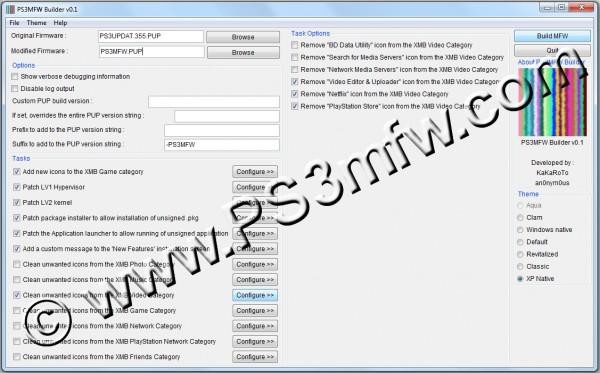
KaKaRoTo and collaborators release PS3MFW Builder v0.1 — a desktop tool that lets anyone create custom firmware without developer skills. Previously, building a CFW required deep technical knowledge; now a graphical interface makes it accessible to the masses.
Sony issues an official warning: anyone using unauthorized devices or pirated software will be permanently banned from PSN and Qriocity. Console IDs are flagged. The crackdown begins.
German police raid the home of Alexander Egorenkov ("graf_chokolo"), seizing his equipment on behalf of Sony. In defiance, he immediately publishes his entire body of PS3 research — the "Hypervisor Bible" — releasing years of reverse engineering work to the public.
Sony demands one million euros in damages from graf_chokolo. His response is defiant: "Come and get me!!!" GeoHot publishes a long essay condemning Sony's actions: "We built your PS3."
In a separate legal battle, LG wins a court order causing EU customs to seize shipments of PS3 consoles in the Netherlands over a Blu-ray patent dispute. Sony faces a potential European supply crisis.
Sony releases firmware v3.60 with cloud-based game save storage. The scene immediately goes to work — Team Rebug releases a version spoofer, and rumors circulate that 3.60 has already been cracked. Sony changes PSN authentication on v3.60, blocking bypass tools like f**kPSN.
Andoma releases Showtime — the first homebrew media player for PS3. For the first time, PS3s without Linux can play MKV files, stream live TV, and handle formats Sony never supported.
Team Rebug releases their first Modified Firmware (MFW), combining debug and retail features. Rebug would become the gold standard of PS3 custom firmware, maintained for years.
The hacktivist group Anonymous wages war on Sony, demanding: allow end-user modification, end legal action against hackers, and don't pursue collected IP addresses.
After a high-profile legal battle that saw GeoHot flee to South America mid-trial, both parties settle. Hotz consents to a permanent injunction. He donates $10,000 of his legal defense fund to the EFF.

PlayStation Network goes dark. Sony initially blames maintenance, then admits an "external intrusion." Over the next days, the full horror emerges: 77 million accounts compromised. Names, addresses, emails, passwords, and potentially credit card data — all stolen.
Scene researcher SKFU publishes detailed information revealing how insecure PlayStation Network really is, exposing systemic weaknesses in Sony's infrastructure. The timing — days after the breach — underscores that the hack wasn't a fluke but the result of years of neglected security.
Sony Online Entertainment reveals it too has been hacked, with an additional 24.6 million accounts compromised. Sony believes the attack is related to and happened around the same time as the PSN breach. The total now exceeds 100 million accounts — making it one of the largest data breaches in history.

After 23 days offline, PSN begins partial restoration. Sony offers a "Welcome Back" package including free games (LittleBigPlanet, InFamous, Dead Nation, and more) and 30 days of PS Plus. The total cost to Sony: an estimated $171 million.
Spanish police arrest three people linked to Anonymous in connection with the PSN breach. The arrests mark the first law enforcement action tied to the hack, though the full story of who breached PSN remains murky.
Hacking collective LulzSec — a spinoff of Anonymous — breaches Sony Pictures and other Sony web properties, dumping source code and user data publicly. The group mocks Sony's security as "a disgrace." Combined with the PSN hack, Sony becomes 2011's most breached corporation.
LulzSec
PS3 hypervisor hacker graf_chokolo (Alexander Egorenkov) reports on his blog that he has no money left and may face prison for being unable to pay court costs in his fight against Sony. He writes: "I'm ready to go to jail for my believes and my principles." His defiance galvanizes the scene.

A new hardware flasher called PROGSKEET is announced, capable of reading and writing PS3 NOR and NAND flash at 1MB/s — twenty times faster than the Infectus. It supports every type of flash chip and enables firmware downgrading from v3.56+, opening CFW access to millions more users.
The Commercial Crime Unit of the South African Police Service raids a home in Parktown, Johannesburg, arresting Naseem Ebrahim Motala for jailbreaking PS3s and selling pirated games. Sony's legal reach now extends across continents.
News emerges of a PS3 emulator for PC being developed called RPCS3. At this early stage it's far from usable, but the project will grow over the next decade into the premier PS3 emulator — eventually capable of running thousands of commercial games and becoming a vital preservation tool.
Sony releases firmware after firmware trying to patch the broken security. v3.56, v3.60, v3.70, v3.72 — each one attempts to block CFW, and each one is cracked by the scene within days or weeks. A cat-and-mouse game Sony can never win.
A kit to convert retail (CEX) PS3 consoles to debug (DEX) mode leaks online. DEX consoles have developer-level access, including the ability to run unsigned code and access debug features. This transforms any retail PS3 into a development unit — a massive scene milestone.
The "True Blue" dongle (also called JB2) appears, allowing users on CFW 3.55 to play games that require firmware 3.6x and above. Initially dismissed as fake, it proves real when PS3Crunch confirms it works. Team Rebug quickly releases a modified MFW to support it.
Sony releases firmware v4.00, a major system software update. The scene continues to stay on v3.55 CFW while using True Blue and version spoofers to play newer games. The gap between official firmware and the scene's "golden firmware" grows ever wider.
The courts dismiss the OtherOS class-action lawsuit. Sony wins — the removal of Linux from the PS3 is ruled not to be a breach of contract. The consumer loses, and the precedent sends a chilling message about digital rights and post-sale feature removal.
The PS3's metldr exploit is leaked publicly. Metldr is the "meta loader" responsible for decrypting and loading all other system loaders — its compromise means every future firmware can potentially be decrypted by the scene. Sony's security architecture is now fundamentally broken at the lowest level.
Hacker Mathieulh quietly decrypts the PS3's LV0 bootloader — the master key to Sony's entire security chain. But he refuses to publish it, sparking fierce debate in the scene about the ethics of hoarding exploits.
The Electronic Frontier Foundation publishes a document explicitly supporting the right to modify game consoles, including the PS3. The EFF argues that jailbreaking consoles should be protected under the DMCA's fair-use exemptions — providing critical legal and moral support to the entire modding community.
A hidden debug/factory menu is discovered within the PS3's system software. Accessible through a specific button combination, the menu reveals options and diagnostics Sony never intended consumers to see — including hardware testing tools and system configuration options buried deep in the firmware.
Dean Kasabow (DeanK) releases multiMAN v4, the most popular PS3 backup and file manager. This version finally drops the Cobra dongle requirement, making it fully free. multiMAN becomes the de facto standard for managing games, homebrew, and media on CFW PS3s.
2012 sees an explosion of homebrew tools: multiMAN v4 (no longer needing Cobra dongle), XMB FileManager by DeViL303, XMBM+, True Blue reverse-engineered payloads, and countless CFW variants. The PS3 scene hits its stride.
Sony releases firmware v4.10. The official firmware is now far ahead of CFW 3.55, but thanks to True Blue and version spoofers, the scene keeps playing new games regardless.
Sony releases firmware v4.20. The scene is not far behind — the 3.60 keys have already been released, and work is underway on CFW for newer firmware versions.
The method to convert retail (CEX) PS3 consoles to debug (DEX) mode is publicly leaked, followed by andbey0nd's easy-to-use conversion tool. Any PS3 owner on CFW can now access full developer features, including running unsigned code and accessing hidden system menus.
The encryption keys for firmware 3.60 are publicly released. This is a major breakthrough — it means custom firmware can now be built for versions beyond 3.55. Rogero immediately begins work on the first 4.xx MFW.
The PS3's LV0 decryption keys are leaked to the public. While Mathieulh had decrypted LV0 in November 2011 but refused to release, a group called "The Three Musketeers" published them. This means custom firmware can now be created for ANY firmware version. Sony's last line of defense has fallen.
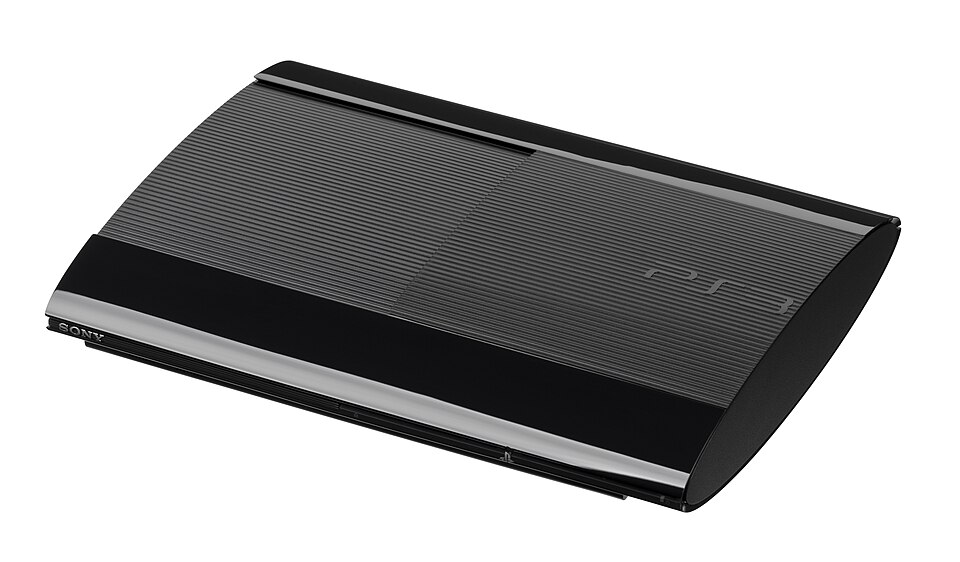
Sony releases the PS3 Super Slim (CECH-4000) — the third and final hardware revision. Even smaller, with a sliding top-loading disc tray replacing the slot-loader.
The PS3 Super Slim (CECH-4000)
Using the leaked LV0 keys, Rogero releases the first custom firmware based on official firmware 4.21 — a massive leap from the 3.55 that had been the ceiling for over a year. CFW users can finally move beyond the ancient 3.55 base. Some early builds brick consoles, but fixes follow quickly.

Team Rebug releases their 4.21 REX custom firmware — the gold standard of PS3 CFW. Rebug REX combines retail and debug features in a single firmware, with tools like Rebug Toolbox for system management. It becomes the most recommended CFW in the scene.
Scene group Duplex reverse engineers and cracks the True Blue USB dongle — a commercial piracy device. The True Blue era ends as its payloads become freely available, and the scene moves firmly toward free, open-source solutions.

The Cobra Team announces the Cobra ODE (Optical Drive Emulator) — a hardware device that plugs into the PS3's Blu-ray drive connector and emulates disc insertion, allowing backup loading without any firmware modification. It works on any firmware, including the latest official version.
Sony settles its court case with Jerry Lambert, the actor who portrayed the beloved "Kevin Butler" PlayStation mascot. Lambert had appeared in a Bridgestone commercial alongside a Wii, violating his exclusivity agreement. The settlement ends the Kevin Butler era — one of PlayStation's most successful marketing campaigns will never return.
The UK Information Commissioner's Office fines Sony £250,000 for the 2011 PSN data breach, calling the security measures "not up to scratch." It's the first major government penalty for the hack that exposed 77 million accounts.

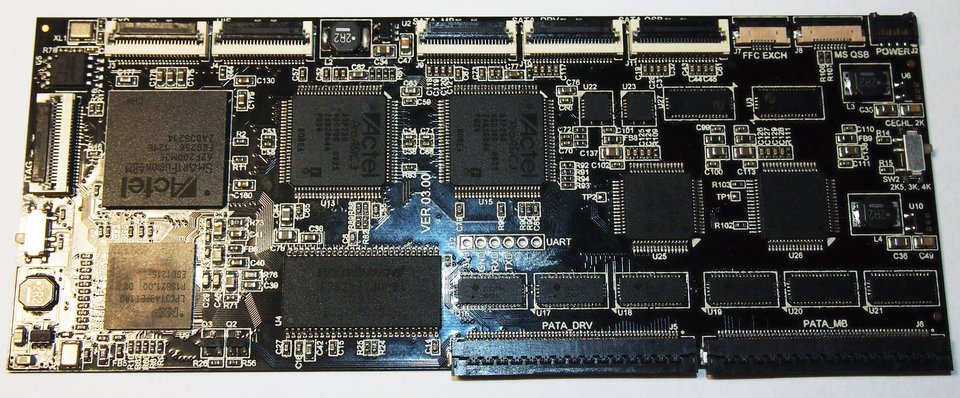
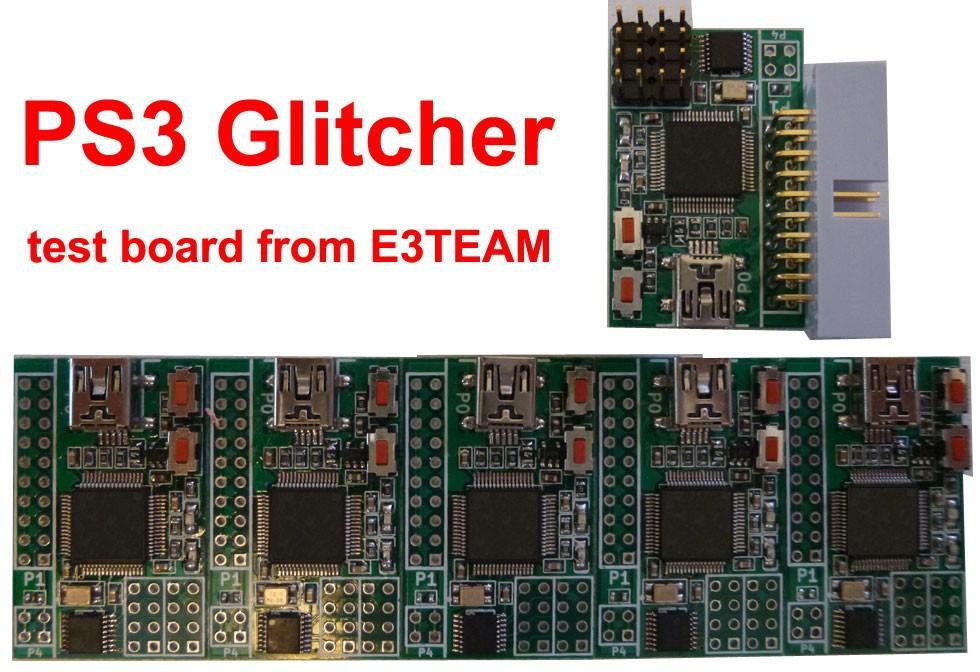
E3-Team announces the E3-Station and PS3 Glitcher — hardware devices that use voltage glitching to bypass the PS3's security on newer firmware. This opens CFW installation on consoles that couldn't be downgraded through software alone.

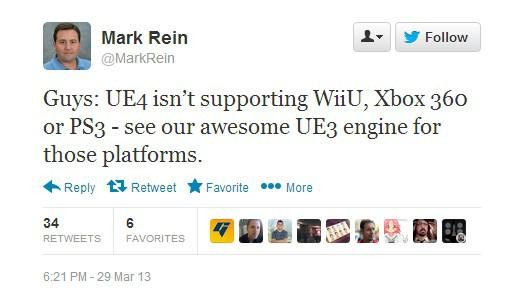
Epic Games VP Mark Rein confirms that Unreal Engine 4 will not come to the PS3. The writing is on the wall — the industry is moving on. The PS3's Cell architecture, once touted as the future, is now too exotic for the next generation of game engines.

Naughty Dog releases The Last of Us — the fastest-selling game in PS3 history. A masterpiece that proved the PS3's raw power and cemented the console's legacy in gaming history.
The Last of Us
Rockstar's magnum opus launches on PS3, pushing the aging hardware to its absolute limits. One of the best-selling games of all time.
Grand Theft Auto V
Developer szczuru demonstrates running PSP backup images on the PS3 without any additional hardware. Using the PS3's built-in PSP emulator, previously locked to official PSN releases, the exploit opens the door to the entire PSP library running on PS3 — a feature Sony never intended to offer.
Rogero CEX-4.41, multiMAN v4.50, Iris Manager updates, Gamesonic Manager — the custom firmware ecosystem is fully mature. Scene devs continue pushing the limits of what PS3 homebrew can do.
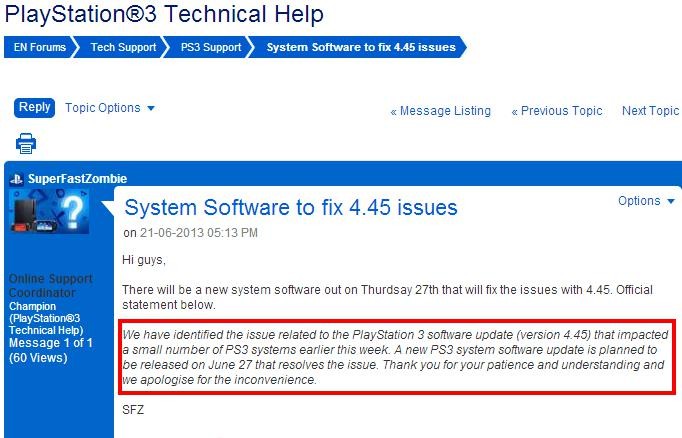
Sony releases firmware v4.45, only to pull it within hours after reports of PS3s bricking during the update. It's a rare public humiliation — Sony's own update destroying consoles. A patched version follows days later.

Sony releases firmware v4.46 to fix the bricking issues caused by v4.45. Users who were affected get recovery instructions. Rogero follows with Rogero 4.46 CFW v1.01, keeping the custom firmware scene current with the latest official release.
The Cobra Team releases the full source code for their Cobra USB dongle. What was once a closed commercial product is now open for the community. The code enables other developers to integrate Cobra's functionality — including PS2 ISO support — directly into custom firmware.

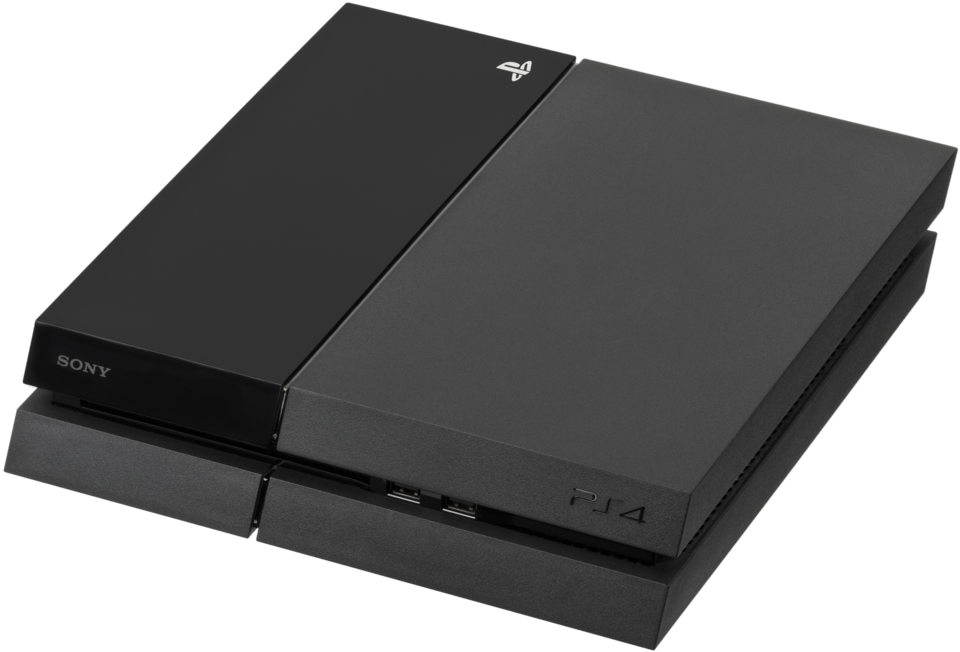
The PlayStation 4 launches in North America. While the PS3 era isn't over, the focus shifts. But the scene lives on, and PS3 homebrew development continues for years to come.
The Ninth Circuit Court of Appeals reverses the earlier dismissal of the OtherOS class-action lawsuit, ruling that PS3 owners stated valid claims. After nearly four years, the legal battle against Sony continues.
Sony releases firmware v4.55. The scene keeps pace — Iris Manager, GameSonic Manager, and other tools are quickly updated. The cat-and-mouse game continues, but with the LV0 keys in public hands, Sony can never truly lock the scene out again.
Sony releases firmware v4.60. With the PS4 now a year old, PS3 firmware updates become less frequent and more focused on security patches and stability fixes.
Sony releases firmware v4.65. Team Rebug responds with Rebug 4.65.2 REX/D-REX Cobra Edition — the CFW community matches every Sony release, maintaining full homebrew compatibility.
Aldostools releases webMAN MOD, a comprehensive system plugin that handles game mounting, fan control, FTP access, and remote management via web browser — all in a single lightweight background process. It becomes essential software for every CFW PS3.
RetroArch hits version 1.0, bringing a unified emulation frontend to PS3 with support for dozens of retro systems — NES, SNES, Genesis, PlayStation, N64, and more. The PS3 becomes the ultimate retro gaming machine.
Developer Zar releases ManaGunZ v1.00, a new all-in-one backup manager with a polished UI, cover art display, and broad format support. It quickly becomes a popular alternative to multiMAN and Iris Manager.
Sony releases firmware v4.70. The scene responds within days — HABIB CFW, Ferrox CFW, and Rebug REX 4.70 all arrive in quick succession, ensuring CFW users are never left behind.
Sony releases firmware v4.75. Rebug 4.75.1 follows almost immediately, as does updated versions of multiMAN and ManaGunZ. The PS3 CFW ecosystem is now a well-oiled machine.
Sony releases firmware v4.76. Rebug 4.76.1 arrives just eight days later. At this point, CFW releases routinely beat Sony's patch cycle.
Hideo Kojima's final Metal Gear game launches on PS3. One of the last major AAA cross-generation titles, a fitting swan song for the console's gaming legacy.
Metal Gear Solid V: The Phantom Pain
Sony announces it will no longer ship PS3 consoles to New Zealand retailers — the first market to officially end PS3 availability. The sun begins to set.
Sony releases firmware v4.78. Ferrox CFW 4.78, Rebug 4.78.1, and multiMAN 4.78 all follow within a week. The scene's response time is now measured in days, not weeks.
Sony releases firmware v4.80 — effectively the final significant PS3 system software update. Rebug 4.80.0 and multiMAN 4.80 arrive within weeks. After a decade and dozens of firmware versions, the update cycle is nearly over.
After six years of litigation, the OtherOS class-action lawsuit finally settles. Sony agrees to pay $55 to each PS3 owner who used the Linux feature and was affected by its removal in firmware v3.21. A symbolic victory — the amount is modest, but the precedent matters. Companies can't freely remove advertised features post-sale without consequence.
Sony officially ceases PS3 manufacturing in Japan. After ten years, 87+ million consoles sold, and a legacy that reshaped gaming, the PlayStation 3 production line goes silent for the last time in its home country.

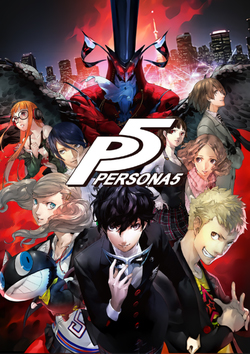
Atlus releases Persona 5 on PS3, one of the last major AAA releases for the console. A 100+ hour JRPG masterpiece that proves the PS3 still has life in it, even as the PS4 dominates the market.


Persona 5
webMAN MOD 1.45, IrisMAN 4.80, LaunchPAD, Rebug 4.80 — even as the PS3 era officially ends, the community continues to push the console beyond its original limits. The PS3 scene never truly dies; it evolves.
What began as a $4 billion gamble on the Cell processor became the most thoroughly hacked console in history. Every security measure Sony built was eventually defeated — not by corporations, but by passionate individuals who believed in the right to own what you buy. From GeoHot's first exploit to the LV0 key leak, from PS Jailbreak to Rebug CFW — the PS3 scene wrote a chapter of computing history that will never be forgotten.
Based on "PS3History — The Complete History of the PS3" by GregoryRasputin (2010–2017)
Everything you just read exists because one person — GregoryRasputin — spent years documenting every hack, every firmware, every court case in the PS3 scene. He created PS3History.net, wrote over 62,000 words, and published it all for free.
He pays for hosting out of his own pocket and worries about keeping these sites alive for future generations. If this timeline meant something to you, here's how you can help his work survive.
"PS3History isn't my personal blog or forum, it is a place for all of you, for everyone to enjoy,
it is an unbiased look at one of the best consoles to be released." — GregoryRasputin
Names, tools, exploits, and terms — everything you need to know about the PS3 scene.