B
BadHTAB Exploit
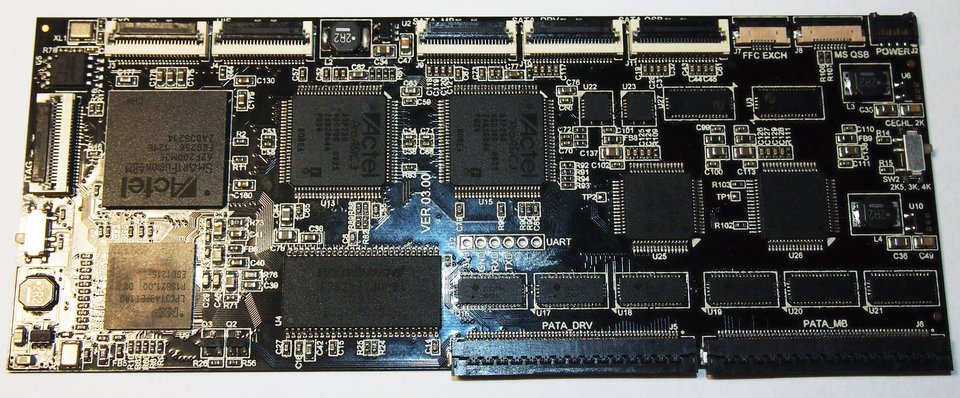
A 2025 hypervisor exploit that brings LV1 access to every PS3 model. Based on GeoHot's original 2010 HTAB glitch technique, it uses soldered hardware to pulse RAM signal lines and desynchronize the hypervisor from memory. Low success rate (5-10%) but opens the door to OtherOS on every PS3 ever made.
BD-Java Concept
Blu-ray Disc Java — the Java-based application layer on PS3 Blu-ray discs. Exploited in 2008 to run the first homebrew code on unmodified PS3s by burning custom BD-J applets to disc.
Ben Heck Person
Renowned hardware modder famous for creating a PS3 laptop mod — one of the most impressive custom PS3 builds, integrating the console into a portable form factor with a built-in screen.
Blu-ray Hardware
Optical disc format co-developed by Sony. The PS3 was the first mass-market Blu-ray player and its inclusion was a major factor in the console's high launch price ($599). Production delays of the blue-violet laser diode pushed the PS3 launch back by months.
Bobby Kotick Person
CEO of Activision who in 2009 publicly threatened to stop supporting PS3 if Sony didn't drop the price, calling the console "expensive" and saying he'd "be different if I was there."
C
CES (Consumer Electronics Show) Event
Annual tech trade show in Las Vegas where Sony showcased PS3 prototypes and new features. The PS3 was shown behind glass at CES 2006, and 3D gameplay was demoed at CES 2009.
CF3B5 Person
Developer of PS3 Proxy Server GUI (2008), the tool that formalized the F@H PKG installation trick. By routing PS3 traffic through a PC proxy, users could intercept PSN download URLs and redirect them to local files — enabling cross-region game installs and the first "free games" exploit on unmodified PS3s.
CJCP Person
Scene developer who documented the PS3's hidden Service Mode in 2008 and released the first homebrew FTP server for jailbroken PS3s in September 2010 — the very first homebrew application on the console.
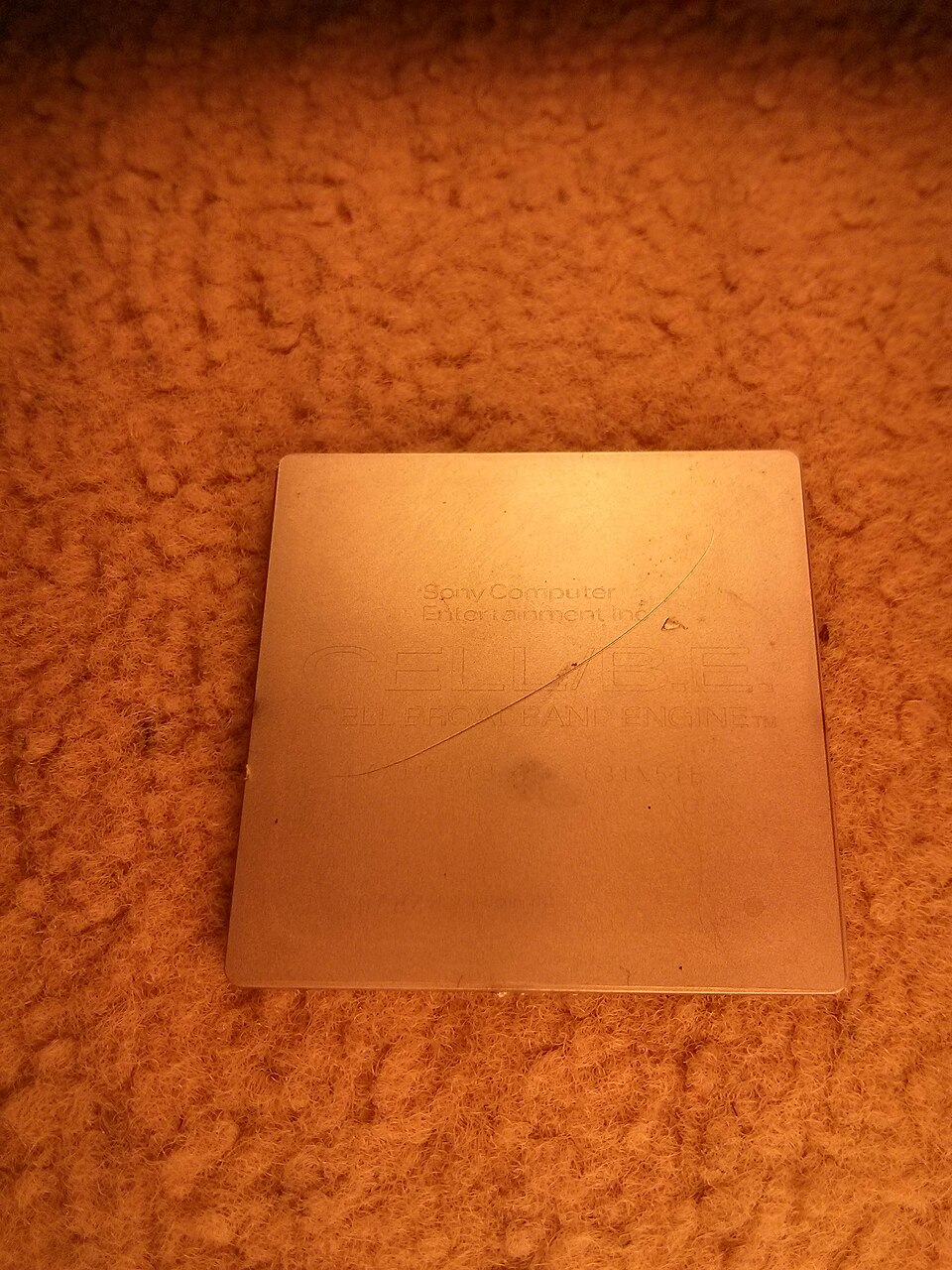
Cell Broadband Engine Hardware
The PS3's custom CPU, co-developed by Sony, Toshiba, and IBM (the STI alliance) beginning in 2001. Featured one PPE core and eight SPE co-processors. Notoriously difficult to program but extremely powerful when fully utilised.
CFW (Custom Firmware) Firmware
Modified versions of the PS3's official system software that enable homebrew, backup loading, and features Sony never intended. Made possible after the signing keys were leaked in late 2010. Major CFWs include Rebug, Rogero, and Habib.
Cobra Tool
A USB dongle and later a firmware payload that enabled advanced features like ISO mounting, stealth for PSN access, and disc-less game loading on CFW PS3s.
Cobra ODE Tool
Optical disc emulator that allowed PS3 owners to load games from an internal hard drive without CFW. Announced in late 2012 and released in 2013.
Condor Cluster Hardware
A supercomputer built by the US Air Force Research Laboratory using 1,760 PS3 consoles. Completed in November 2010, it achieved 500 TFLOPS and ranked as the 33rd most powerful supercomputer in the world — built for just $2 million versus $50-80 million for equivalent traditional hardware. Used for AI research, radar enhancement, and satellite imagery.
D
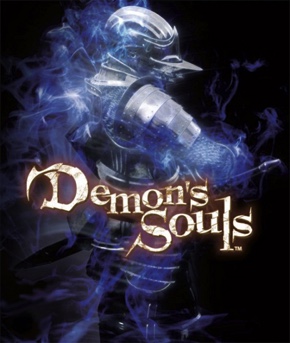
Demon's Souls Concept
Action RPG by FromSoftware released in 2009. Initially a niche Japanese exclusive, it became a surprise critical hit that spawned the "Souls-like" genre and helped define the PS3's golden age of exclusives.
DEX (Debug) Firmware
Debug firmware variant used by game developers. Rebug CFW famously combined DEX and retail (CEX) features, allowing debug-level access on consumer hardware — crucial for homebrew development and testing.
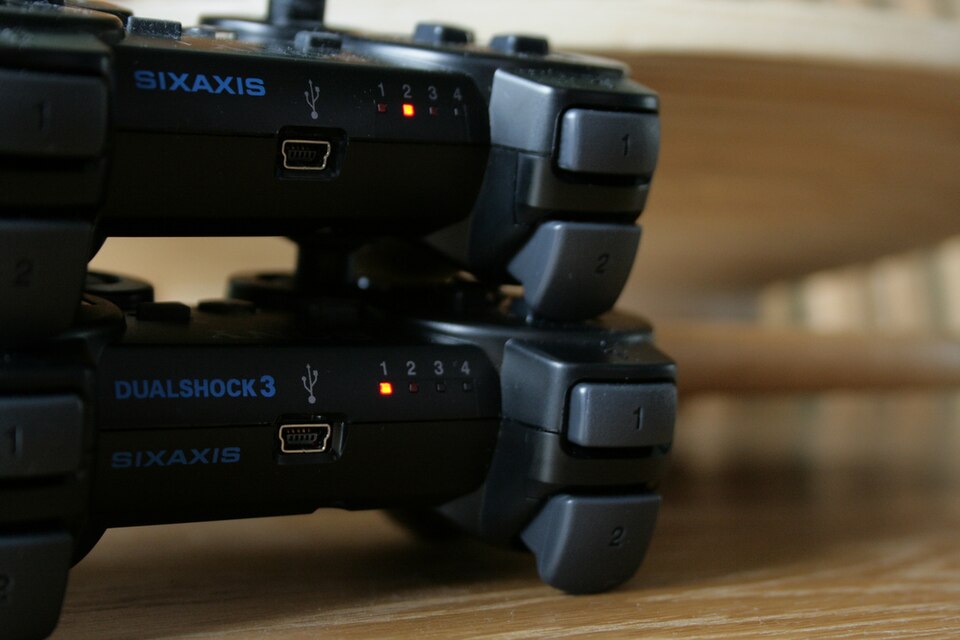
DualShock 3 Hardware
The PS3's second controller, announced at TGS 2007. It restored the rumble/vibration feature missing from the original Sixaxis, following Sony's settlement of the Immersion patent lawsuit.
E
E3 Flasher Tool
Hardware flasher device used to dump and write PS3 NOR/NAND flash memory, enabling firmware downgrade from higher firmwares to CFW-compatible 3.55. Widely used alongside PROGSKEET.
E3TEAM Group
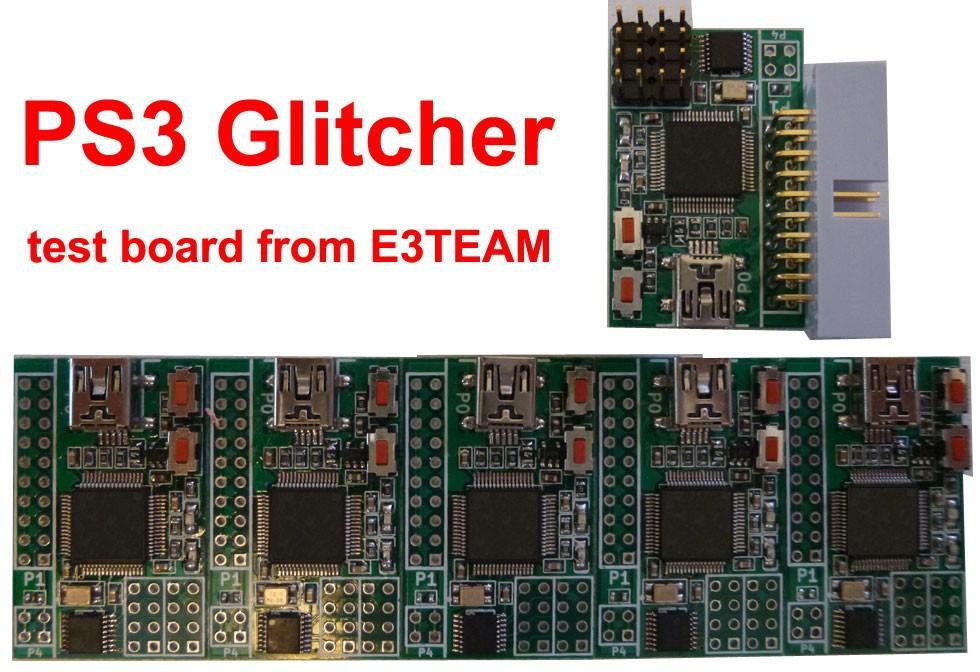
Hardware modding team that produced the E3 Flasher, PS3 Glitcher, and related tools for PS3 hardware-level modifications.
ECDSA Keys Concept
Elliptic Curve Digital Signature Algorithm keys used by Sony to sign all PS3 software. Catastrophically compromised because Sony used a static random number instead of a truly random one — exposed by fail0verflow at 27C3 in December 2010.
EFF (Electronic Frontier Foundation) Group
Digital rights organisation that supported GeoHot's legal defense against Sony. GeoHot donated $10,000 of his remaining legal defense funds to the EFF after settling.
Evilnat Person
CFW developer whose custom firmware became the modern standard for jailbroken PS3s after the Rebug team stopped updating. Evilnat CFW supports the latest OFW versions and is now the go-to CFW for the PS3 scene.
F
Folding@Home Concept
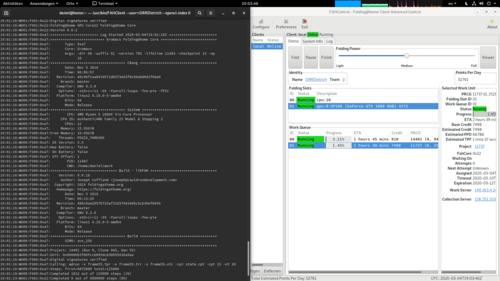
Stanford University's distributed computing project for protein folding research. The PS3 client, announced in 2006, harnessed the Cell processor's power so effectively that the PS3 network became the first to break one petaflop, earning a Guinness World Record in 2007.
fail0verflow Group
Hacking team that presented "Console Hacking 2010: PS3 Epic Fail" at the 27th Chaos Communication Congress (27C3) in Berlin. Their talk exposed Sony's ECDSA implementation flaw, permanently compromising PS3 security.
G
GDC (Game Developers Conference) Event
Annual developers conference where Phil Harrison confirmed the PS3's November 2006 worldwide release and showed early game demos including Heavenly Sword, Warhawk, and MotorStorm.
GeoHot (George Hotz) Person
The hacker who first jailbroke the iPhone and then cracked the PS3's hypervisor in January 2010. Published the metldr key, was sued by Sony, settled in April 2011, and later went on to found comma.ai. Released the iconic "Light It Up" rap in response to the lawsuit.
graf_chokolo (Alexander Egorenkov) Person
German hacker whose hypervisor-level PS3 research was among the most technically sophisticated in the scene. Raided by German police in February 2011 on behalf of Sony, then sued for €1 million. In defiance, he publicly released his entire body of work as the "Hypervisor Bible" and famously responded: "Come and get me!!!"
GregoryRasputin Person
Author of PS3History and owner of PlayStationHaX. Got his PS3 on UK launch day 2007, joined PS3HaX in January 2008, became staff in March 2008, and meticulously documented the entire PS3 scene history from 2005-2016.
H
HEN (Homebrew Enabler) Tool
A software-only exploit that enables homebrew on PS3 models that cannot run full CFW (such as super slims and newer slims). Dramatically lowered the barrier to entry for the PS3 homebrew scene.
H3R3T1C Person
Early PS3 hacker who released a modified MPEG4 video file in 2007 that crashed the PS3 when played. While it didn't achieve code execution, it was among the first public demonstrations that the PS3's media decoders contained exploitable bugs.
Hermes Person
PS3 scene developer known for creating the no-disc payload that allowed games to run without a Blu-ray disc inserted, and for the Hermes Payload which was a key building block for early homebrew and backup managers.
HFW (Hybrid Firmware) Tool
A modified official firmware created by the PS3Xploit team in 2019 that restores an old exploitable WebKit version to newer OFW releases. Installable on any PS3 model through the normal update mechanism, it enables PS3HEN and PS3Xploit on the latest firmware while appearing legitimate to Sony's servers.
Hypervisor Concept
The lowest-level security layer on the PS3, sitting between the hardware and the operating system. Controlling it means controlling everything. GeoHot's 2010 exploit was significant precisely because it achieved hypervisor-level access.
I
Immersion Concept
Haptic feedback technology company that sued Sony over rumble patents used in DualShock controllers. Sony lost in 2007 and settled, which led to the Sixaxis shipping without rumble and the eventual creation of the DualShock 3 with restored vibration.
iQD Person
Co-developer alongside SKFU on PSN Infinity v2 (2012). Contributed to the reverse engineering of PSN Store APIs and the development of the PC-based PSN client.
IrisMAN / Iris Manager Tool
A homebrew backup manager and file manager for CFW PS3s. Alongside multiMAN and webMAN MOD, one of the essential tools in the PS3 homebrew ecosystem.
K
Kaz Hirai Person
Sony Computer Entertainment executive who became CEO of Sony in 2012. Known for controversial statements about the PS3 being intentionally hard to develop for and for promoting the console as an "industry leader" despite early struggles.
Kevin Butler Concept
Fictional PlayStation "VP" portrayed by actor Jerry Lambert in Sony's popular advertising campaign. In 2011, the official Kevin Butler Twitter account accidentally retweeted the PS3's jailbreak root key — spreading the very secret Sony was suing to suppress.
Scene developer who created PSFreedom (free PS Jailbreak alternative for Nokia N900) and the first PS3 custom firmware. Real name Youness Alaoui. A key figure in the open-source PS3 hacking movement.
Ken Kutaragi Person
"The Father of PlayStation." Led PlayStation's creation and pushed the ambitious PS3 hardware design. Attended the PS3's Japan launch in person. Retired from Sony in 2007 after the PS3's troubled launch period.
L
LulzSec Group
Hacking collective that targeted Sony in mid-2011 following the PSN breach, compromising SonyPictures.com and other Sony properties. Their attacks exposed additional security weaknesses and compounded Sony's security crisis.
LV0 / LV1 / LV2 Concept
The PS3's layered security architecture. LV0 is the initial boot loader (most privileged), LV1 is the hypervisor controlling hardware access, and LV2 is the kernel/OS layer. Compromising each level gave hackers progressively deeper system access. The LV0 keys leaked in October 2012 were considered the "keys to the kingdom."
LV0 Keys Concept
The PS3's master boot loader decryption keys. Leaked publicly in October 2012 by "The Three Musketeers" (after Mathieulh decrypted them in 2011 but refused to share). Their release meant custom firmware could be created for any future firmware version.
M
Mathieulh Person
Controversial scene figure who decrypted the PS3's LV0 keys in November 2011 but kept them private. When "The Three Musketeers" later leaked them, the scene erupted in drama over hoarding exploits vs. sharing them.
metldr Concept
The PS3's master encryption/decryption loader — a root-level module responsible for decrypting and verifying all other loaders. Its key, published by GeoHot in early 2011, was the linchpin that broke PS3 security wide open.
multiMAN Tool
The most popular homebrew backup manager for PS3. Created by Dean (deank). Features a visual game launcher, file manager, FTP server, and Blu-ray/DVD playback. The quintessential PS3 homebrew app.
P
Paradox Group
Warez group that released the first accessible PS3 game rip (Madden 2007) in December 2006 and had a working ISO loader for firmware v1.00-1.10. One of the earliest PS3 scene groups.
Phil Harrison Person
President of Sony Worldwide Studios who denied copying Nintendo's motion controls, confirmed the PS3's worldwide November 2006 launch at GDC, and stated "The PS3 is a computer. We do not need the PC."
Pr0xy / Pr0xy³ Tool
SKFU's multipurpose network proxy tool series. Originally "SKFU's Vita Pr0xy," it was renamed to Pr0xy (Nov 2013) to reflect cross-platform support for PS3, PS4, PS Vita, and PSP. Pr0xy³ (Aug 2015) added HTTP/DNS/Dump servers, cross-platform support (Win/Linux/macOS), and eliminated the need for Apache. Used for sniffing PKG links, bypassing firmware checks, and deep network research. Considered a viable alternative to commercial software like Charles Proxy.
PROGSKEET Tool
Open-source hardware NOR/NAND flash memory reader/writer created by uf6667 in 2011. Used for dumping and flashing PS3 firmware at the hardware level, enabling downgrade from any firmware to 3.55 for CFW installation.
PS Jailbreak Tool
The first commercial USB jailbreak device for PS3, announced in August 2010. Priced at $130+, it enabled backup loading on all PS3 models. Quickly cloned as open-source PSGroove and PSFreedom. Sony patched the exploit within days.
PSN (PlayStation Network) Concept
Sony's online gaming and digital distribution service. Suffered a catastrophic breach in April 2011 exposing 77 million accounts — gaming's largest data breach at the time. Was offline for 23 days.
PSN Infinity Tool
PC application by SKFU and iQD that enabled browsing PSN Store content, downloading PKGs, viewing user trophies, and managing accounts directly from a Windows PC. Evolved from "The PSN Tool 2.0" (2010) into PSN Infinity v2 (2012). Built on SKFU's deep research into PSN's internal APIs and XMPP messaging infrastructure.
PS3HaX Group
One of the earliest and most important PS3 hacking community websites, founded in 2007. Served as a hub for scene news, tutorials, and homebrew development throughout the PS3's lifetime.
PS3MFW Builder Tool
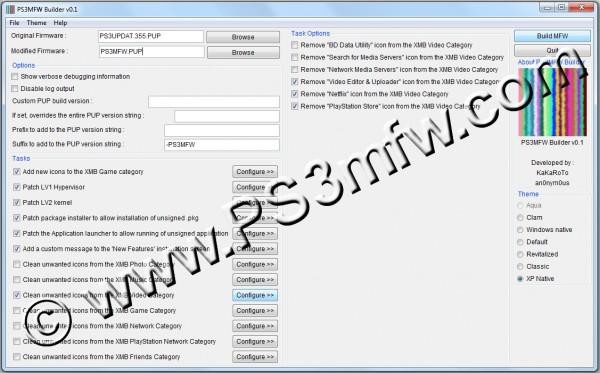
Modified Firmware builder tool created by KaKaRoTo and andoma (Showtime developer). Provided a GUI for creating custom PS3 firmware by patching official PUP files, making CFW creation accessible to non-developers.
PS3Xploit Tool
Web-based exploit discovered in 2017 that allowed installation of CFW on PS3 consoles with firmware 4.82+ via the PS3's built-in web browser, eliminating the need for hardware flashers or downgrade dongles.
PSDowngrade Tool
USB dongle-based firmware downgrade tool released in late 2010 that allowed PS3 owners to revert from firmware 3.42+ back to the CFW-compatible 3.55 or lower, circumventing Sony's patches that blocked PS Jailbreak.
PSGroove Tool
Open-source clone of PS Jailbreak, released by Mathieulh's team in September 2010. Ran on Teensy++ and AT90USBKEY boards, making the $130 commercial dongle obsolete overnight.
PSL1GHT Tool
Free, open-source Software Development Kit (SDK) for PS3 homebrew created by AerialX in October 2010. Eliminated the need for expensive official devkits and became the foundation for most PS3 homebrew applications.
PlayStation Home Concept
Sony's free-to-play 3D social gaming platform for PS3, announced at GDC 2007 and launched in December 2008. Users created avatars, explored virtual spaces, and played mini-games. Never achieved its ambitious vision and was shut down in 2015.
PlayStation Move Hardware
Sony's motion controller, launched in September 2010. Used a glowing orb tracked by the PlayStation Eye camera. While technically superior to the Wii Remote, it never captured mainstream attention. Later reused for PlayStation VR on PS4.
R
Rebug Firmware
Widely considered the gold standard of PS3 custom firmware. Created by Team Rebug, it combined retail (CEX) and debug (DEX) features, enabling advanced functionality. Maintained for years through multiple firmware versions.
Resistance: Fall of Man Concept
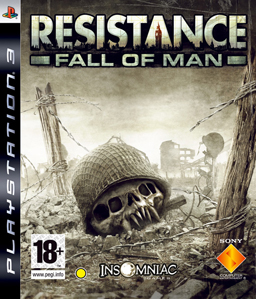
PS3 launch title by Insomniac Games. Beyond being a popular FPS, it was the game in which Team ICE discovered an exploit to run unsigned code on retail firmware 2.10 — one of the first PS3 hacking breakthroughs. Also controversially featured Manchester Cathedral, angering the Church of England.
Rogero Person
Prolific CFW developer who created some of the most popular and stable custom firmwares for the PS3, particularly after the 3.55 jailbreak era. His CFWs (like Rogero 4.21 MFW) were among the first to support newer firmware features while maintaining homebrew access.
RSX Reality Synthesizer Hardware
The PS3's GPU, designed by Nvidia. Based on the GeForce 7800 series. Was still under development when the PS3 was first shown at E3 2005 — the tech demos were actually running on PC hardware.
RetroArch Tool
Multi-platform emulation frontend that runs on CFW/HEN PS3s. Turns the PS3 into a retro gaming powerhouse capable of emulating dozens of classic consoles and arcade systems.
S
Service Mode Concept
A special PS3 diagnostic/repair mode accessible via a JIG dongle. When service mode JIG files leaked in January 2009, the scene gained a new avenue for hardware-level access and research into the console's internals.
SKFU (StreetskaterFU) Person
Prolific PS3 scene researcher also known as StreetskaterFU. Part of Team ICE that helped discover an exploit in Resistance: Fall of Man to inject PS3 binaries on retail firmware 2.10 — one of the earliest PS3 hacking breakthroughs. Achieved the first partial retail PS3 RAM dump, exposed PlayStation Home server vulnerabilities. Reverse-engineered PSN's XMPP messaging protocol to create OpenPS3Messenger (2009) — enabling PC-to-PSN chat. Built PSN Infinity (2010/2012) for browsing PSN stores from PC. Created SKFU's Pr0xy (2013) and Pr0xy³ (2015) — the definitive multi-platform network proxy tools for PlayStation research. Later contributed to early PS VITA, PS4, PS5 scene research.
Showtime Tool
The first homebrew media player for PS3, created by Andreas Öman (Andoma). Enabled playback of MKV, AVI, and other formats Sony never officially supported, plus live TV streaming.
Sixaxis / DualShock 3 Hardware
The PS3's controllers. The Sixaxis launched with the console, featuring motion sensing but no rumble (due to an Immersion patent lawsuit). The DualShock 3 restored rumble in 2007 after Sony settled.
Sony v. Hotz Event
Landmark 2011 lawsuit where Sony sued George "GeoHot" Hotz for publishing PS3 encryption keys. The case raised major questions about digital rights and device ownership. It settled in April 2011 with GeoHot agreeing to a permanent injunction.
SPE (Synergistic Processing Element) Hardware
The Cell processor's co-processors — eight in total (seven accessible on PS3). Independently programmable vector units that gave the PS3 enormous parallel processing power when properly utilized.
Syscon Hardware
The PS3's System Controller — a dedicated chip managing power, temperature, fan control, and low-level hardware functions. Its firmware key was obtained by Zecoxao in 2019, representing one of the deepest layers of PS3 security ever cracked.
T
Team ICE Group
Early PS3 hacking group active on PS3HaX. Along with SKFU, they discovered a method to run unsigned SELF files on retail PS3 firmware 2.10 via a Resistance: Fall of Man exploit — one of the first glimpses that the PS3 could be hacked.
TGS (Tokyo Game Show) Event
Annual Japanese games exhibition where Sony revealed major PS3 hardware updates including the DualShock 3 controller (2007) and various special edition console bundles.
The Three Musketeers Group
Anonymous group that leaked the PS3's LV0 decryption keys in October 2012, after Mathieulh had refused to release them. Their leak ensured permanent custom firmware capability for the PS3.
True Blue Tool
Commercial USB dongle that enabled game backups on newer PS3 firmwares. Cracked by scene group Duplex in August 2012, ending its commercial viability. Represented the scene's shift away from proprietary paid tools toward open-source solutions.
W
Waninkoko Person
Scene developer known for creating early PS3 custom firmware and the FreeFlash/FwTool utilities. Previously famous in the Wii modding scene. His first backup-enabled MFW unfortunately bricked many consoles before kmeaw's patch fixed the process.
Welcome Back Program Event
Sony's apology package offered to PSN users after the 2011 hack. Included two free PS3 games, two free PSP games, 30 days of PlayStation Plus, and identity theft protection. Estimated to have cost Sony over $170 million.
webMAN MOD Tool
A VSH plugin for CFW PS3s that runs in the background, enabling game mounting, fan control, temperature monitoring, FTP, and remote access via web browser. One of the most essential and actively maintained PS3 homebrew tools.
Wu-Tang CFW Firmware
Custom firmware variant with a distinctive Wu-Tang Clan-inspired logo and branding. One of several community-created CFW options during the height of the PS3 CFW era.
 Cell Broadband Engine